How Air Conditioning Systems Work for Your Surrey / Hampshire Home
Understanding how air conditioning systems work is key to appreciating the comfort they bring to homes and businesses across Surrey and Hampshire. As the seasons change and temperatures fluctuate, a reliable air conditioning unit becomes more than just a luxury; it's an essential part of maintaining a comfortable and healthy indoor environment. At GU Gas Services LTD, we believe that informed homeowners make the best decisions for their properties, and truly knowing how air conditioning systems work can help you understand its value.
📞 Get in touch: call +443335770194 or email info@gu-gas.co.uk.
The Science Behind How Air Conditioning Systems Work
At its core, an air conditioning system doesn't "create" cold air; instead, it removes heat and humidity from your indoor space and transfers it outside. This process relies on fundamental principles of thermodynamics, specifically the concept of heat transfer and phase changes in a refrigerant. The magic behind how air conditioning systems work is a continuous cycle of evaporation and condensation, facilitated by a special chemical compound. This compound, known as a refrigerant, is designed to readily absorb and release heat as it changes between a liquid and gaseous state.
The system essentially acts as a heat pump, moving thermal energy from one location to another. Think of it like a sponge soaking up water; the refrigerant soaks up heat from inside your property. It then releases that heat outside, much like squeezing the sponge dry. This constant movement of heat is what allows your Surrey home to remain cool and pleasant, even on the warmest summer days. Understanding these principles helps to clarify precisely how air conditioning systems work to achieve their cooling effect.
Key Components of an Air Conditioning System
To fully grasp how air conditioning systems work, it's helpful to understand the main components involved. Each part plays a critical role in the continuous cycle of cooling and dehumidification. These components work in harmony to ensure efficient and effective temperature control within your property.
Here are the primary elements you'll find in most modern air conditioning units:
- Evaporator Coil: Located inside your home, this coil contains the cold, low-pressure liquid refrigerant. It absorbs heat from the indoor air as it passes over the coil, causing the refrigerant to evaporate into a gas.
- Condenser Coil: Situated outside, this coil releases the heat absorbed from indoors into the outdoor air. The hot, high-pressure gaseous refrigerant condenses back into a liquid here.
- Compressor: Also part of the outdoor unit, the compressor is the "heart" of the system. It pressurises the gaseous refrigerant, increasing its temperature and moving it through the system.
- Expansion Valve (or Metering Device): This component regulates the flow of refrigerant into the evaporator coil. It lowers the pressure of the liquid refrigerant, allowing it to cool and prepare for heat absorption.
- Refrigerant: The chemical compound that cycles through the system, absorbing and releasing heat. Modern systems typically use environmentally friendlier refrigerants.
- Fans: An indoor fan blows air over the evaporator coil, circulating cool air throughout your home. An outdoor fan blows air over the condenser coil to dissipate heat.
The Refrigeration Cycle Explained
The core of how air conditioning systems work lies in the continuous refrigeration cycle. This process involves four main stages, each crucial for moving heat out of your indoor space. Let's walk through each step to see how air conditioning systems work in a seamless, energy-efficient manner.
- Evaporation: The cycle begins inside your home. Warm indoor air is drawn into the air conditioning unit and passes over the cold evaporator coil. The low-pressure liquid refrigerant inside the coil absorbs the heat from the air, causing the refrigerant to turn into a low-pressure gas (vapour). As the heat is removed from the air, the now-cooler air is blown back into your room, making it feel fresh and comfortable. This is the primary cooling stage in how air conditioning systems work.
- Compression: The low-pressure refrigerant gas then travels to the compressor in the outdoor unit. The compressor squeezes the gas, significantly increasing its pressure and temperature. This high-pressure, hot gas is now ready to release the absorbed heat to the outside environment.
- Condensation: From the compressor, the hot, high-pressure refrigerant gas moves to the condenser coil, also located outside. As outdoor air is blown over this coil by the outdoor fan, the refrigerant releases its heat into the cooler outside air. As it cools down, the high-pressure gas condenses back into a high-pressure liquid. You might notice warm air blowing out of the outdoor unit – that's the heat being expelled from your home.
- Expansion: The high-pressure liquid refrigerant then flows through an expansion valve. This valve restricts the flow, causing a sudden drop in pressure. This pressure drop also causes the refrigerant's temperature to fall dramatically, turning it back into a cold, low-pressure liquid. It is now ready to re-enter the evaporator coil and absorb more heat from your indoor air, starting the entire cycle again. This continuous loop is the ingenious mechanism behind how air conditioning systems work.
How Air Conditioning Systems Work: Cooling and Dehumidifying
Beyond just cooling, a significant benefit of how air conditioning systems work is their ability to dehumidify the air. High humidity can make even moderate temperatures feel oppressive, creating a clammy and uncomfortable environment. When warm, humid air passes over the cold evaporator coil inside your home, not only does the air cool down, but moisture in the air also condenses onto the cold surface of the coil.
This condensed water then drips into a drain pan and is typically channelled away from your home through a condensate drain line. By removing this excess moisture, the air conditioning system makes the air feel much drier and more comfortable. This dual action of cooling and dehumidifying is vital for creating a truly pleasant atmosphere, especially during the often damp and warm periods we experience in areas like Surrey and Hampshire. The effective management of humidity is an often-underestimated aspect of how air conditioning systems work to improve indoor comfort.
Different Types of Air Conditioning Systems
While the fundamental principles of how air conditioning systems work remain consistent, there are various types of systems designed to suit different property sizes, layouts, and cooling needs. Choosing the right system is crucial for efficiency and comfort.
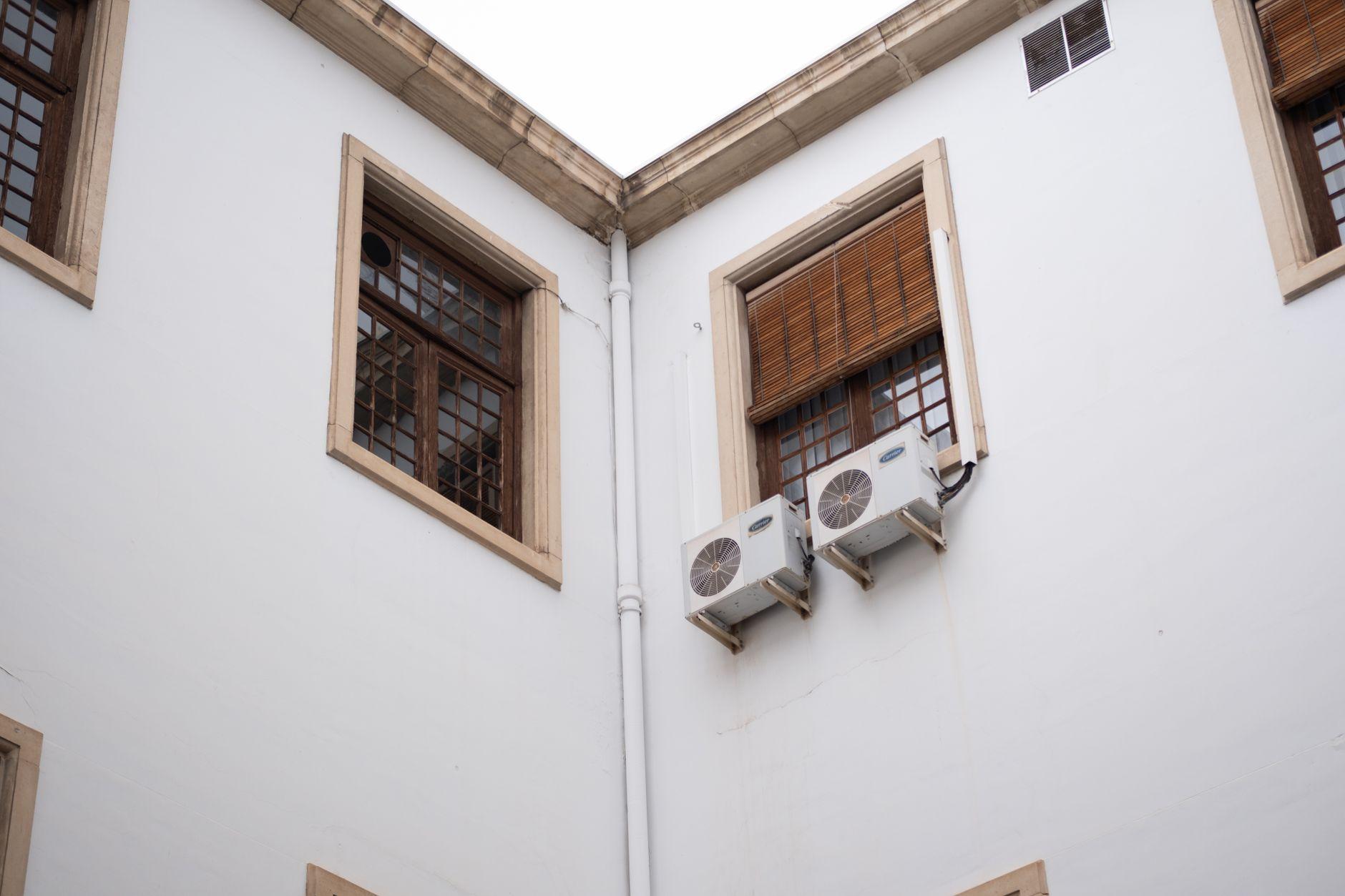
- Split Systems: These are perhaps the most common type for residential use. They consist of an outdoor unit (condenser and compressor) and one or more indoor units (evaporator and fan). They are called "split" because the main components are separated. This design allows for quiet operation indoors as the noisy compressor is outside.
- Multi-Split Systems: Similar to split systems, but one outdoor unit can connect to multiple indoor units, each independently controlled. This is ideal for cooling several rooms or zones within a larger home without needing multiple outdoor units.
- Ducted Systems: These systems distribute conditioned air through a network of ducts and vents installed in ceilings or floors. A single indoor unit serves the entire property, providing discreet and comprehensive cooling. They are often installed during construction or major renovations.
- Portable and Window Units: While less permanent, these self-contained units offer localised cooling. They are generally less efficient than split or ducted systems but provide a flexible option for individual rooms.
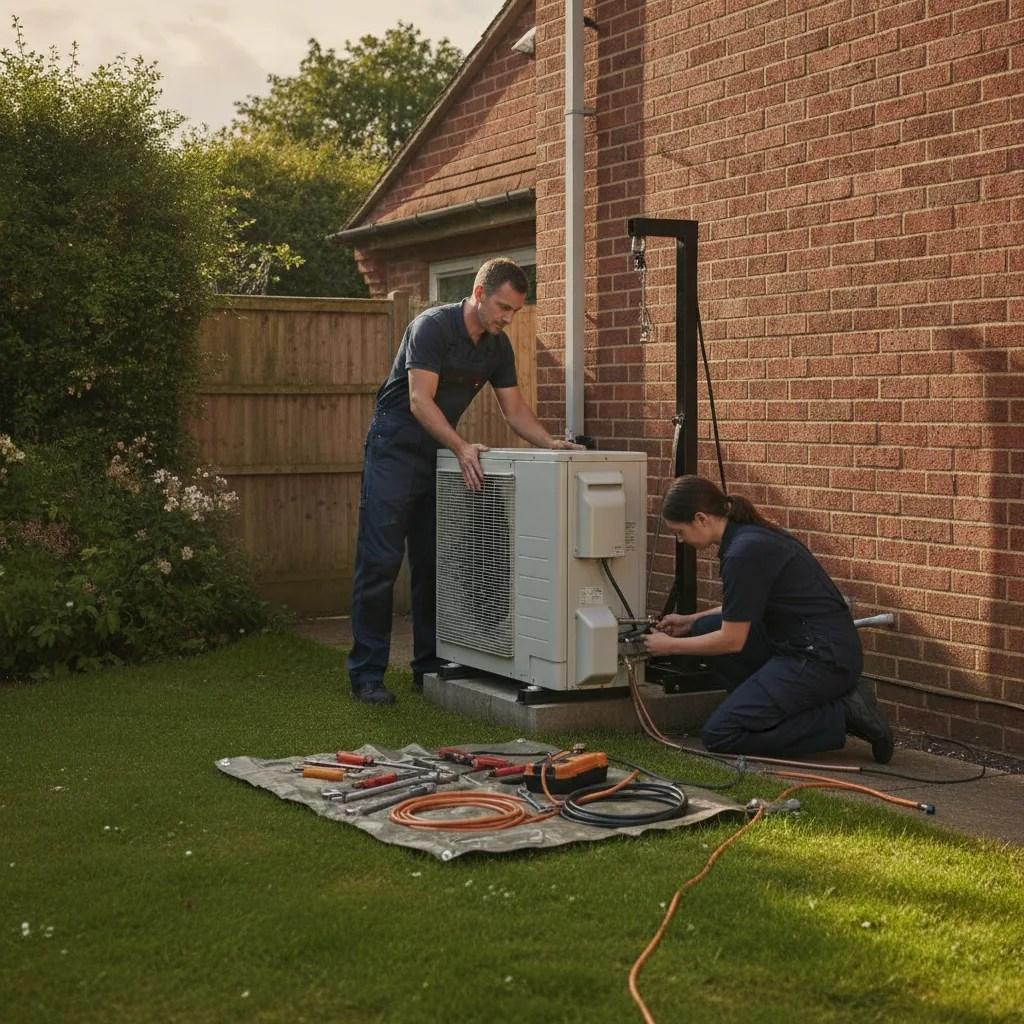
At GU Gas Services LTD, we have extensive experience installing and maintaining a wide range of air conditioning systems. Our team understands the local climate challenges in Surrey and Hampshire and can advise on the best solution for your specific requirements. We pride ourselves on our deep practical knowledge, ensuring every installation is performed to the highest standards, optimising performance and longevity for years to come.
How Does a Heat Pump Air Conditioning System Work?
A common question we receive is about heat pump systems, especially as they gain popularity for their year-round capabilities. So, how does a heat pump air conditioning system work? Essentially, a heat pump is a reversible air conditioning system. In cooling mode, it operates exactly like a standard air conditioner, moving heat from inside your home to the outdoors.
However, when the weather turns colder, a heat pump can reverse its cycle. Instead of moving heat out of your home, it extracts latent heat from the outdoor air (even when it feels cold outside) and transfers it into your home. This makes it an incredibly energy-efficient way to heat your property during the cooler months. The same refrigerant cycle that cools your home in summer can provide warmth in winter, making heat pumps a versatile and cost-effective solution for many properties in the Surrey and Hampshire area.
Benefits of Modern Air Conditioning in Surrey / Hampshire
Investing in a modern air conditioning system offers a wealth of benefits that extend far beyond simply cooling a room. For residents and businesses in Surrey and Hampshire, where summers can be warm and humid, and air quality is increasingly a concern, understanding how air conditioning systems work to improve your living and working environment is crucial.
- Enhanced Comfort: The most obvious benefit is consistent indoor temperature control. Modern systems maintain your desired temperature precisely, eliminating hot and cold spots. This allows for comfortable living and working conditions throughout the year.
- Improved Air Quality: Many contemporary air conditioning units come with advanced filtration systems that can remove pollen, dust, pet dander, and other airborne allergens and pollutants. This is particularly beneficial for allergy sufferers and contributes to a healthier indoor atmosphere.
- Effective Dehumidification: As discussed, air conditioning systems actively remove excess moisture from the air. This not only makes the air feel cooler but also helps to prevent the growth of mould and mildew, which can thrive in humid conditions common in our region.
- Better Sleep Quality: A cool, dry environment is conducive to better sleep. By maintaining optimal bedroom temperatures, air conditioning can significantly improve the quality of your rest, leading to increased productivity and well-being.
- Increased Property Value: A well-installed and efficient air conditioning system is an attractive feature for potential buyers. It adds tangible value to your property, especially in areas where climate control is highly desired.
- Energy Efficiency: Modern air conditioning systems are designed with energy efficiency in mind, often featuring high SEER (Seasonal Energy Efficiency Ratio) ratings. This means they consume less electricity to achieve the same cooling effect compared to older models, leading to lower energy bills.
When it comes to how air conditioning systems work effectively in Surrey and Hampshire, our solutions are tailored to meet local needs, ensuring optimal performance and energy savings for our clients. Ready to find out more? — get in touch via our contact page.
Here’s a qualitative comparison between a traditional split AC system and a modern air source heat pump system:
| Feature | Traditional Split AC System | Modern Air Source Heat Pump System |
|---|---|---|
| Primary Function | Solely focused on cooling | Cooling and highly efficient heating |
| Energy Efficiency | Efficient for cooling only | Highly efficient for both cooling and heating |
| Installation | Straightforward for single-zone cooling | Similar complexity, but offers dual function |
| Year-Round Comfort | Excellent for summer cooling | Provides comfort in all seasons |
| Environmental Impact | Moderate (cooling only) | Lower carbon footprint due to heating efficiency |
Have a specific question? Email us via our contact page.
How often should my air conditioning system be serviced?
We recommend having your air conditioning system serviced annually by a qualified professional. Regular maintenance ensures optimal performance, identifies potential issues early, and extends the lifespan of your unit. It's a crucial part of keeping your system running efficiently, especially for how air conditioning systems work year after year.
Is air conditioning expensive to run?
The running cost of an air conditioning system depends on several factors, including its energy efficiency rating (SEER), how often it's used, the size of your property, and electricity prices. Modern units are significantly more energy-efficient than older models, leading to lower operating costs. Understanding how air conditioning systems work efficiently can help you manage these costs.
What is a refrigerant and is it safe?
Refrigerant is a chemical compound that absorbs and releases heat as it cycles through your air conditioning system. Modern refrigerants, such as R32, are designed to be safer and have a lower environmental impact than older types. They are contained within a sealed system and are not exposed to the indoor air. Our technicians are trained to handle refrigerants safely and responsibly.
How long do air conditioning systems last?
With proper installation and regular maintenance, a well-maintained air conditioning system can typically last between 10 to 15 years, or even longer. Factors like usage frequency, climate, and the quality of the initial installation can all influence its lifespan. This longevity is a testament to the robust design of how air conditioning systems work.
Can I install air conditioning myself?
While small portable units can be self-installed, installing a split, multi-split, or ducted air conditioning system requires specialised knowledge, tools, and often involves handling refrigerants. It's highly recommended to use a certified professional for installation to ensure safety, efficiency, and compliance with regulations. Incorrect installation can lead to poor performance, higher running costs, and potential breakdowns.
Understanding how air conditioning systems work can empower you to make informed decisions about your home's comfort and efficiency. Whether you're considering a new installation, require maintenance, or need a repair, GU Gas Services LTD is here to help. Our team of experienced and certified engineers provides comprehensive air conditioning services across Surrey and Hampshire, ensuring your home remains a haven of comfort, no matter the weather outside. We are dedicated to delivering reliable solutions and exceptional service to all our clients.
📞 Ready to get started? Call +443335770194 or email info@gu-gas.co.uk.
Find Out More
Explore more of what we do:
Elsewhere: